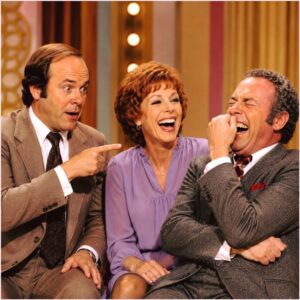
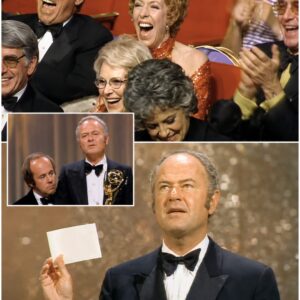
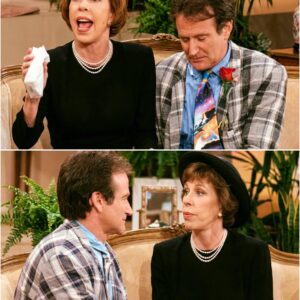
“He wasn’t supposed to break but he never stood a chance.” 😂🤠Tim Conway walks in as the most painfully slow sheriff you’ve ever seen — and within seconds, the entire sketch is hanging by a thread. Every tiny shuffle, every dramatic squint, every pause that lasts just a second too long it’s torture in the funniest possible way.

Last night, we took a stroll back to the golden age of television — a time when great comedy wasn’t about special effects or punchlines delivered by formula, but about timing, instinct, and the magic that happens when two comedic masters collide. On the set of The Carol Burnett Show, Tim Conway appeared as “the slowest sheriff in the West,” facing off not against outlaws, but against a panicked, exasperated bank robber played by Harvey Korman. What followed has since become one of the most beloved and hilarious sketches ever recorded.

A Masterclass in Comic Timing

The scene opens in a dusty Old West saloon — creaking doors, piano faintly playing — and in ambles Conway’s sheriff at a pace so slow you could pour a cup of coffee between his words. Every gesture, every blink, every pause is perfectly measured. Korman’s robber, desperate to escape, tries to drive the sketch forward, but the sheriff simply won’t be hurried. The tension between Conway’s molasses-paced delivery and Korman’s barely contained frustration creates a comedic rhythm that’s impossible not to laugh at.


As the sketch unfolds, Conway turns the simplest movements into punchlines: a slow stumble, a misplaced hat, an unnecessary pause. Meanwhile, Korman’s robber grows more and more exasperated, trying to salvage the scene while struggling to keep from breaking character. His pleas of “Hurry up, Sheriff!” only make Conway slower, funnier, and somehow even more unpredictable. The laughter from the audience builds in waves — laughter that comes not from words, but from pure performance art.


Comedy Chaos, Perfectly Controlled

By the time the sketch reaches its climax, the stage is a whirlwind of slow-motion chaos. Korman, visibly fighting back tears of laughter, can barely deliver his lines. Conway, still calm and collected, continues to undercut every attempt at normalcy with his unflappable deadpan. The brilliance lies in the contrast — one man trying to keep the sketch alive while the other deconstructs it entirely through patience and absurdity.


When the bit finally ends, Korman’s face is flushed and trembling with laughter, while Conway simply tips his hat and ambles offstage, victory sealed in silence. Then comes the applause — not immediate, but growing, wave after wave, as the audience realizes they’ve just witnessed comedic perfection. No fancy setups, no scripts needed — just timing, talent, and two men utterly in tune with the joy of making each other (and everyone watching) laugh uncontrollably.

A Timeless Reminder of What Comedy Can Be

“The Old Sheriff” is more than a sketch — it’s a reminder of what makes comedy timeless. It’s unpolished, spontaneous, and rooted in human connection. It’s the art of dragging a moment out until it becomes irresistible. Conway’s deliberate slowness, Korman’s frantic energy, and the shared laughter of the live audience combine into something truly magical — the kind of moment television rarely captures anymore.

If you’re in need of a smile, watch the sheriff shuffle across that stage. Watch Harvey Korman try — and fail — to hold it together. Feel the room lean in as the simplest gag becomes comedic brilliance. Because in that tiny Western saloon, two legends turned silence into laughter, and laughter into history.


 

Related Posts

He Said We Should Divorce. By the Time He Came Back, Everything Had Changed.

The Trip Once my husband left on a trip with his lover, he tossed over his shoulder, “Got a problem? Get a divorce.” So when he came…

Come join us — we booked a table!” my in-laws said happily. But the moment I walked into the restaurant, my heart dropped

The Dinner That Changed Everything The text message arrived at exactly 4:47 p.m. on an ordinary Tuesday afternoon, and looking back now, I should have known something…

Tim Conway’s legendary elephant story is going viral again—and for good reason. More than forty years later, it still lands with perfect timing. The moment he wandered off the script, you could feel the shift: the room tightening, the audience leaning in, and Tim calmly setting things in motion. It took just one small pause. Harvey Korman broke first. Carol Burnett couldn’t hold it together. Vicki Lawrence looked moments away from sliding out of her chair. Conway, meanwhile, stayed completely focused—steady, unbothered, delivering each line with quiet precision. By the time the punchline arrived, the studio was in full laughter mode, the cast had completely lost control, and Tim was barely catching his breath. Nothing felt forced. Nothing felt planned. It was pure instinct taking over. That’s why moments like this never fade. They aren’t built around big effects or clever tricks—they come from trust, timing, and performers who know exactly when to let things unfold naturally. It’s the kind of television that doesn’t age, because genuine laughter never does.

“IT’S HARD TO WALK WITH DIGNITY.” Saturday night. One TV in the house. Everyone gathered like it was an event — because it was. The Sydney Opera House appeared on screen looking elegant and untouchable… and within minutes, Tim Conway turned it into the stage for perfectly unplanned chaos. Tim didn’t chase the joke. He inhabited it. He walked into it slowly. Painfully. As if gravity itself had a personal grudge against him. Carol Burnett fought to stay professional — truly fought — but Tim treated professionalism like a polite suggestion. One pause. One innocent glance. And suddenly the cast was gasping for air. This wasn’t scripted funny. This was “we might not survive this scene” funny. The kind where the audience laughs harder because the performers are losing control right in front of them. Harvey Korman starts shaking. Carol bends over, defeated. Tim just stands there, baffled, like he’s only trying to be helpful.

It was supposed to be a normal night in the Bunker house… until Edith came home from jury duty with something Archie Bunker had never faced before: legal authority 😂⚖️ In this classic moment from All in the Family, Edith proudly declares, “I ain’t at liberty to discuss it,” and Archie absolutely short-circuits on the spot. The more he demands details, the calmer Edith becomes — following the judge’s orders while Archie spirals louder and louder. Watching Carroll O’Connor try not to break as Jean Stapleton gently stonewalls him is pure sitcom gold. For once, Edith isn’t the confused one — she’s the most powerful person in the room, and Archie can’t yell his way out of it. It’s quiet, brutal, and unbelievably funny

It was supposed to be a normal night in the Bunker house… until Edith came home from jury duty with something Archie Bunker had never faced before:…

The second Tim Conway stepped into that scene, you could already feel it coming. That slow walk, the squint, the pauses that stretched just a little too long — it was like watching a setup you knew was about to explode. And right there next to him, Harvey is doing everything he can to hold it together… and failing spectacularly. The outlaw’s already cracking, the room starts to shake with laughter, and Conway just keeps pushing it further — slower, quieter, more ridiculous with every second. That’s what made it magic. No rush, no noise — just perfect timing and the kind of control that turns silence into chaos. By the end, nobody’s in character anymore. Not Harvey. Not the cast. Not even the audience. Just pure, unstoppable laughter.

Leave a Reply

Your email address will not be published. Required fields are marked *